


If you love recreating your favorite restaurant recipes at home, your pantry matters more than your skill level. Most copycat recipes, whether it's Olive Garden pasta, Panda Express chicken, or Benihana-style hibachi, rely on a small group of repeat ingredients used across multiple cuisines.

This pantry guide reflects the ingredients most frequently used across restaurant kitchens and tested repeatedly in The Sassy Foodie's copycat recipe collection.
Jump to:
- Why Pantry Staples Matter for Copycat Recipes
- Core Staples for All Copycat Recipes
- Pantry Staples by Restaurant Cuisine
- Spices & Seasonings That Make Copycat Recipes Taste "Right"
- Copycat Recipe Cooking Tip
- How to Store Pantry Staples for Maximum Freshness
- Pantry Substitutions for Copycat Cooking
- The Starter Copycat Pantry
- How a Stocked Pantry Makes Weeknight Copycat Cooking Easier
- FAQs About Pantry Stocking for Copycat Cooking
- More Copycat Recipes
- 💬 Comments
Why Pantry Staples Matter for Copycat Recipes
Restaurant recipes rely on repeatable flavor bases to deliver consistent results every single time. When you keep the right pantry staples on hand:
- You create that familiar, restaurant-quality taste using fats, seasonings, and sauces.
- A one-time pantry stock-up leads to real cost savings when you skip takeout.
- Weeknight cooking becomes faster and more efficient.
Core Staples for All Copycat Recipes
Oils & Fats Used in Restaurant Cooking

- Neutral oil: Neutral oils don't have a distinct flavor and typically have a high smoke point. Canola, vegetable, or peanut oil are all great options. These oils are ideal for high-heat recipes like hibachi steak and fried rice.
- Olive oil: I recommend keeping both light olive and extra-virgin olive oil on hand. Extra-virgin olive oil has a robust flavor and is best for salads like Cactus Club Avocado Kale Salad, while light olive oil is better for cooking.
- Butter: Both salted and unsalted butter deserve a spot in your fridge. Salted butter works well in savory recipes, like The Keg Twice-Baked Potatoes, while unsalted butter is ideal for desserts, like this Chili's Skillet Chocolate Chip Cookie, or dishes where you want full control over seasoning, like Benihana Copycat Garlic Butter.
- Toastes sesame oil: Toasted sesame oil is darker in color and is intensely flavored. It's used for finishing dishes or in sauces, not for cooking. You'll find it in many Asian-inspired copycat recipes, such as Red Lobster Brussel Sprouts, and Din Tai Fung Cucumber Salad.
Essential Sauces & Condiments for Copycat Recipes

- Worcestershire sauce: This fermented sauce adds depth, saltiness, and umami to many restaurant dishes. It's a key ingredients in recipes like Cactus Club Blackened Creole Chicken.
- Ketchup: Ketchup isn't just for burgers and fries. Its balanced blend of tomato, acidity, and sweetness makes it a surprisingly effective base for sauces, including Restaurant-Style Chilli Paneer.
- Dijon mustard: Dijon mustard adds subtle acidity and acts as a emulsifier in dressings and sauces. If you're out, check out these perfect pantry substitutes for Dijon mustard.
Sweeteners Restaurants Use to Balance Flavor

- Granulated sugar: Also known as white sugar, this is essential for baking recipes like Panera Kitchen Sink Cookies.
- Brown sugar: Available in light or dark varieties, brown sugar contains molasses, which adds depth to restaurant-style sauces and glazes, such as Longhorn Steakhouse Brussel Sprouts.
- Honey: Honey is ideal for uncooked dressings and sauces, where you don't want to worry about sugar dissolving.
Aromatics & Seasonings That Build Base Flavor

- Garlic powder: Garlic powder complements fresh garlic by providing a mellow, evenly distributed garlic flavor. It's essential in spice rubs and breading mixtures like Cheesecake Factory Chicken Romano. For best flavor, use granulated garlic rather than a fine powder.
- Onion powder: Onion powder delivers savory onion flavor without overpowering a dish with raw onion, as seen in this Steakhouse Style Wedge Salad.
- Black pepper: Freshly cracked black pepper provides far more aroma and bite than pre-ground pepper, which loses potency quickly.
- Red pepper flakes: Red pepper flakes add subtle background heat to sauces without overpowering them. You can control the intensity depending on how much you use.
Pantry Staples by Restaurant Cuisine
Italian Restaurant Recipes Pantry Staples
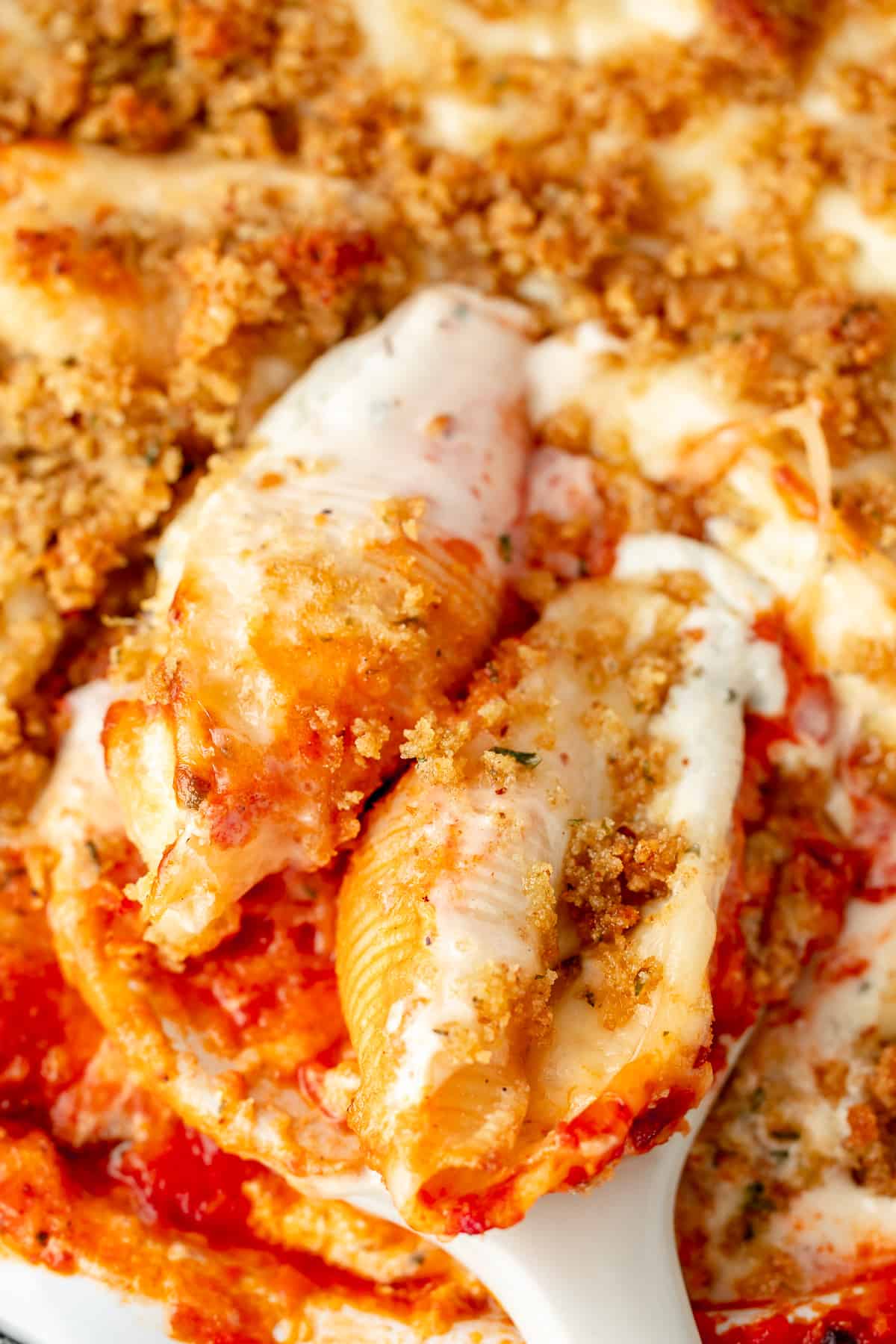
- San Marzano tomatoes: San Marzano tomatoes are less acidic and contain fewer seeds than standard roma tomatoes, making them ideal for Italian copycat Italian recipes, like Olive Garden Five Cheese Ziti al Forno.
- Tomato paste: Tomato paste is highly concentrated, so a small amount goes a long way. Always cook it until the oil separates, like in this Cheesecake Factory Spicy Rigatoni Vodka, to avoid a raw tomato taste. Tomato paste in a tube is the most convenient option.
- Parmesan cheese: Skip shelf-stable grated parmesan. For authentic results, buy a wedge from the deli section. Look for rind stamping or authenticity logos for best quality.
Chinese Takeout Pantry Staples
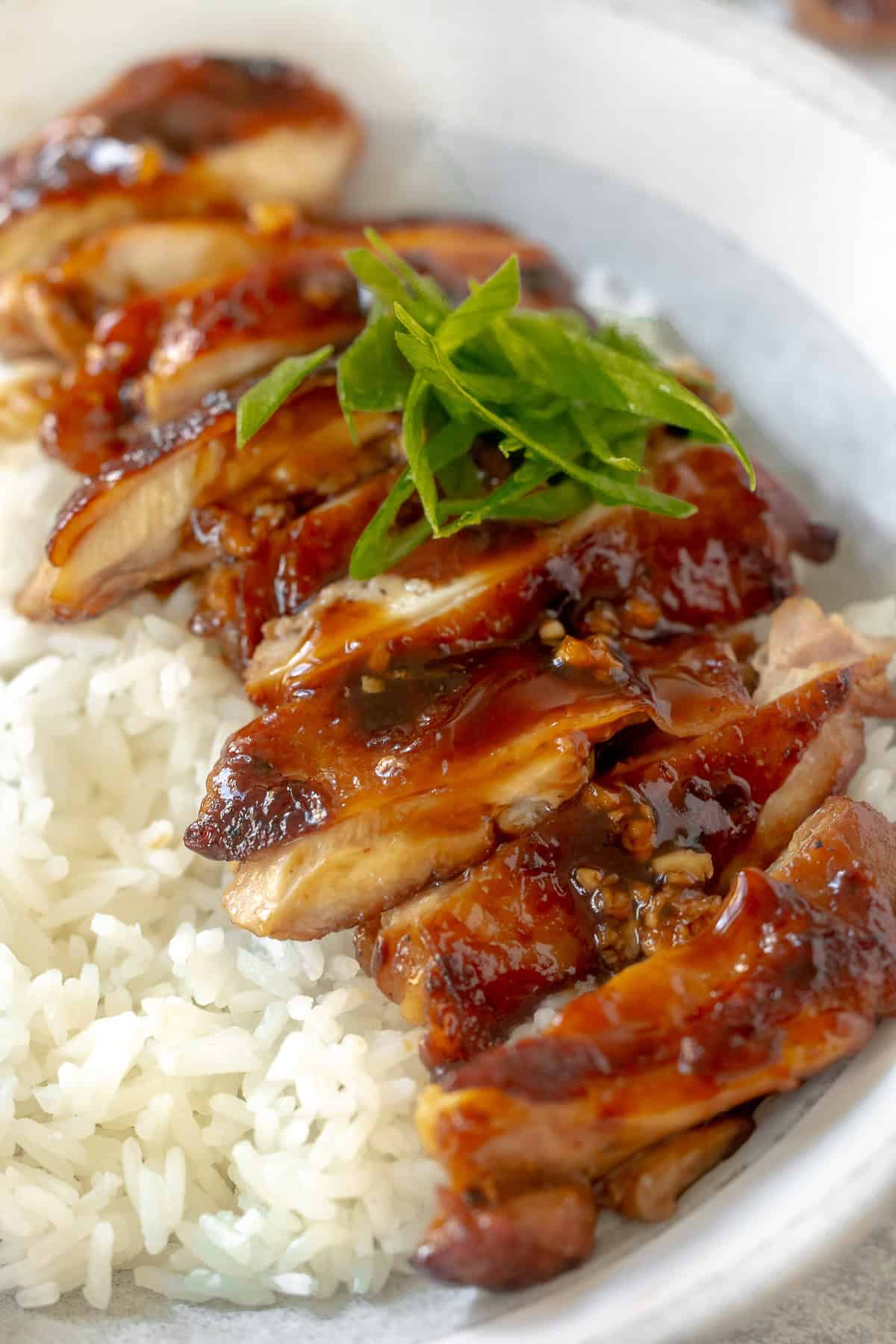
- Soy sauce: Light and dark soy sauce are not interchangeable. Light soy sauce is commonly used for flavor, as in Panda Express Chicken Teriyaki, while dark soy sauce adds rich color, like in Panda Express Black Pepper Chicken.
- Hoisin sauce: Sometimes called Chinese barbecue sauce, hoisin is sweet, earthy, and salty. It's essential in recipes like Joey Szechuan Chicken Lettuce Wraps.
- Oyster sauce: Oyster sauce adds savory depth and subtle sweetness, and forms the base of many Chinese takeout sauces, including PF Chang's Spicy Chicken.
- Shaoxing Wine: This Chinese cooking wine adds complexity and balance to sauces and stir-fries. It's often the missing ingredient in homemade takour recipes, such as PF Changs Kung Pao Brussel Sprouts.
- Cornstarch: The key to glossy, thick takeout-style sauces is a simple cornstarch slurry.
Japanese Steakhouse (Benihana-Style) Pantry Staples
- Mirin: Mirin is a sweet Japanese rice wine, used in sauces and glazes for its tangy sweetness.
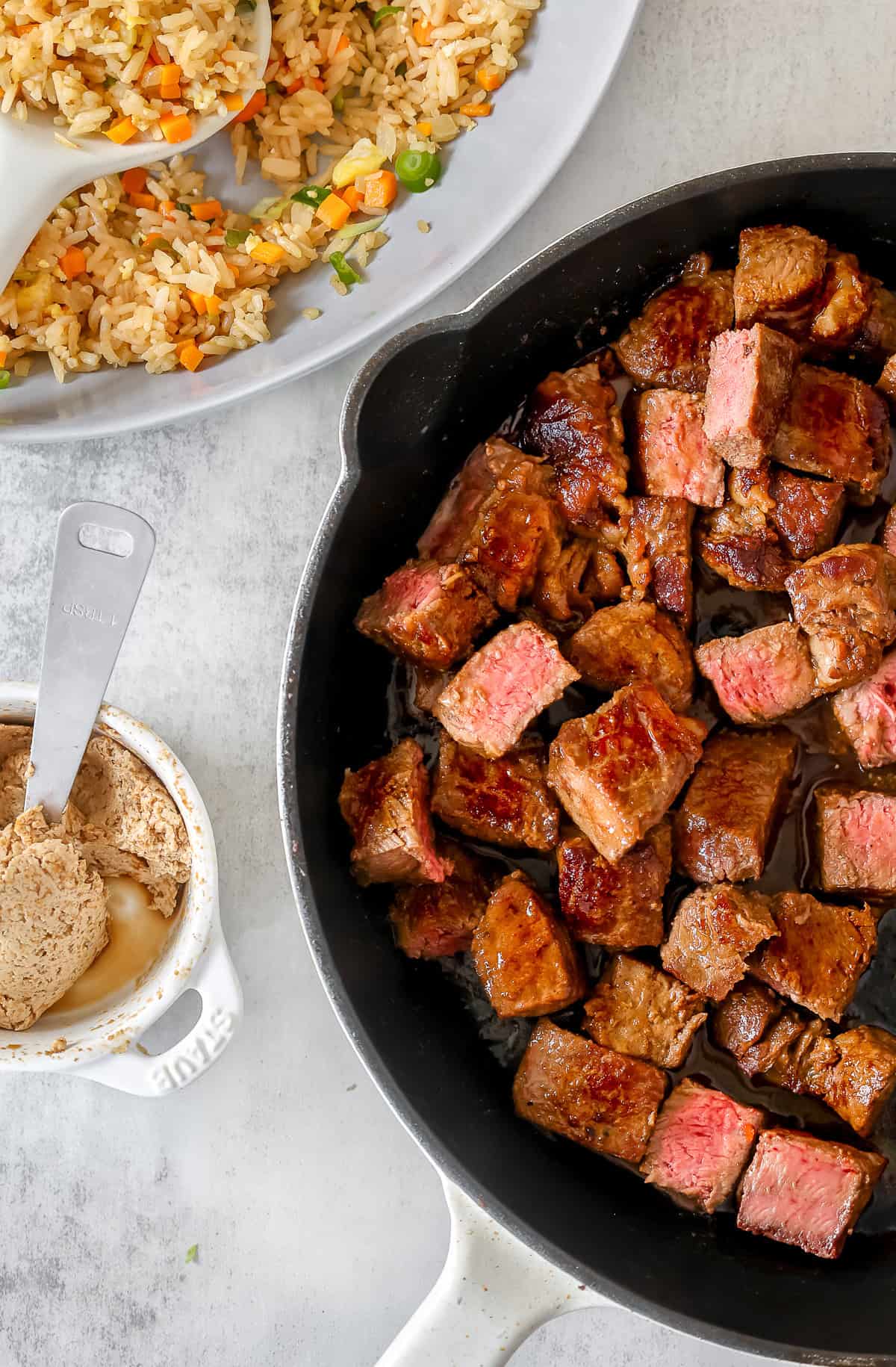
- Garlic butter base: Benihana-style recipes, from Benihana-Style Steak, Benihana Hibachi Vegetables, or Hibachi Fried Rice, rely on a shared Garlic and Soy Butter, that delivers rich, umami-packed flavor.
- White pepper: White pepper provices a more earthy, pungent heat than black pepper, and doesn't visually alter lighter dishes. It's ideal for restaurant recipes like Indo-Chinese Schezwan Chicken.
American Fast Food Pantry Staples

- Pickle juice: Pickle juice works as a flavorful brine that seasons and tenderizes chicken, commonly used in fast food sandwiches like Popeyes Spicy Chicken Sandwiches.
- Yellow mustard: Yellow mustard adds sharp tang and acts as a binding agent for spice rubs and marinades.
Spices & Seasonings That Make Copycat Recipes Taste "Right"
Why Restaurants Layer Salt, Fat, Acid, and Heat

Restaurant recipes are developed to hit your palate in stages, using salt, fat, acid, and heat. Missing even one of these elements can make a dish taste flat or slightly "off".
- Salt enhances flavor through soy sauce, bouillon, and seasoned salts.
- Fat creates richness by use of butters, oils, and cheeses.
- Acid balancesbalances richness using vinegar, citrus, wine, or pickled elements.
- Heat adds contrast with black pepper, white pepper, or chilli flakes.
When Fresh Beats Dried (And When It Doesn't)

- Fresh is best when:
- You want brightness or aroma
- Ingredients are added at the end
- The flavor needs to stand out
- Dried or powdered works better when:
- You want or need even flavor throughout
- Cooking time is short
- You're recreating sauces, marinades, or spice blends
Copycat Recipe Cooking Tip
If a restaurant dish tastes richer, deeper, or more balanced than your homemade version, don't immediately add more salt. Try adding:
- A pinch of sugar
- A splash of acid
- A small amount of fat or umami seasoning
How to Store Pantry Staples for Maximum Freshness
Stocking your pantry is only half the equation - proper storage ensures your ingredients stay fresh, flavorful, and safe to use.
Shelf-Stable Pantry Items
- Store these in a cool, dry place away from heat and sunlight:
- Oils (except sesame oil after opening)
- Vinegar
- Sugar and sweeteners
- Dried spices and seasonings
Refrigerate After Opening
- These ingredients last longer and maintain flavor when refrigerated:
- Soy sauce
- Oyster sauce
- Hoisin sauce
- Worcestershire sauce
- Mirin
- Shaoxing wine

Several of these ingredients are technically shelf-stable, but refrigeration helps preserve their complexity and prevents flavor loss.
Freezer-Friendly Pantry Staples
- You can freeze:
- Tomato paste (portion into tablespoon-sized amounts)
- Fresh garlic and ginger
- Butter
Freezing these items reduces waste and speeds up weeknight cooking, too!
Pantry Substitutions for Copycat Cooking
Common Copycat Ingredient Substitutions
- Shaoxing wine: Use dry sherry or mirin. In a pinch, rice vinegar with a small pinch of sugar works.
- Oyster sauce: Combine soy sauce, brown sugar, and a splash of water.
- Hoisin sauce: Mix soy sauce, honey, and a small amount of peanut butter.
- Cornstarch: Arrowroot powder (1:1 substitute).
- Dijon mustard: Yellow mustard mixed with a little mayonnaise.
These substitutions won't be exact, but they'll get you close enough to satisfy a restaurant craving.
The Starter Copycat Pantry
If you're new to copycat cooking, you don't need to buy everything at once. These 10 essentials will cover the majority of restaurant-style recipes
Beginner Copycat Pantry Must-Haves
- Neutral oil
- Butter
- Soy sauce
- Brown sugar
- Garlic powder
- Onion powder
- Black pepper
- Cornstarch
- Ketchup
- Olive oil
With just these ingredients, you can already make dozens of Italian, Asian, and fast-food inspired copycat recipes.
How a Stocked Pantry Makes Weeknight Copycat Cooking Easier
Once your pantry is stocked, copycat cooking becomes faster and far less stressful.
- No last-minute grocery runs
- Faster prep and cook times
- Easier meal planning
- More flexibility to customize recipes
Many of the recipes on The Sassy Foodie rely on these same pantry staples, which is why you can recreate restaurant favorites quickly without constant grocery trips.
FAQs About Pantry Stocking for Copycat Cooking
No. While MSG enhances flavor, balanced seasoning can still deliver excellent results without it.
Yes, dry sherry or mirin work well. Rice vinegar canbe used with added sugar, though it will slightly alter the flavor.
Shelf life varies by product. Always follow label instructions and refrigerate sauces when required.
Didn't Find the Answer You're Looking For?
Ask AI to answer based on this specific recipe:
Comments
No Comments